
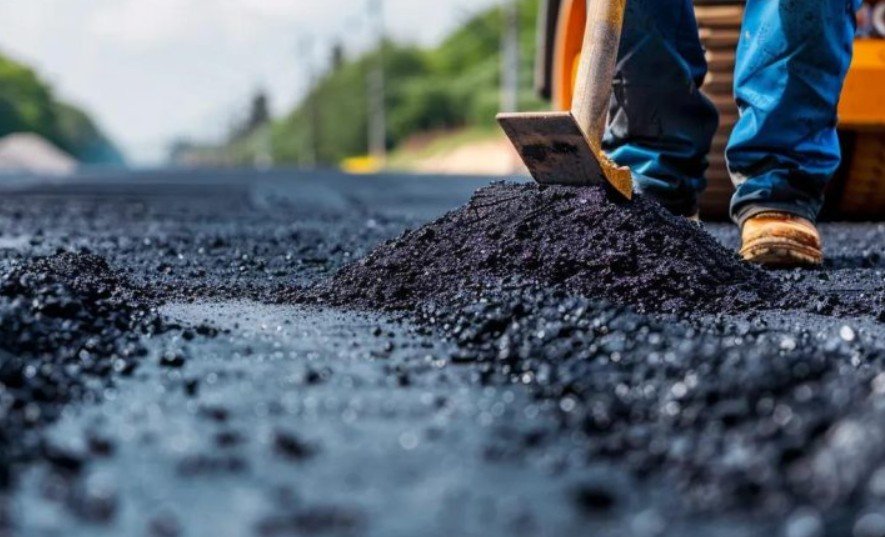

A smooth, durable asphalt surface doesn’t happen by accident—it comes from proper planning, skilled workmanship, and the right materials. Whether it’s a driveway, parking lot, or private road, hiring a top-rated paving company and understanding how quality installation works can save you money and prevent future repairs.
Below are practical, industry-level tips to ensure a flawless asphalt installation from start to finish.
Table of Contents
Toggle1. Start with Proper Site Preparation
A strong asphalt surface always begins underneath. If the base is weak, even the best asphalt will fail over time.
A professional paving company will:
- Clear debris, grass, and old pavement
- Grade the land for proper slope
- Compact the soil to create a firm foundation
- Install a gravel or crushed stone base layer
Without this step, water can collect under the asphalt and cause cracks or sinking.
2. Choose the Right Asphalt Mix
Not all asphalt is the same. The mix must match the project type and climate conditions.
Common options include:
- Hot Mix Asphalt (HMA): Best for roads and driveways
- Warm Mix Asphalt: More environmentally friendly and easier to apply
- Porous Asphalt: Helps with drainage in heavy rain areas
A top-rated paving company will select the correct mix based on traffic load and weather conditions.
3. Ensure Proper Drainage Design
Water is the biggest enemy of asphalt.
Good paving contractors design surfaces that:
- Slope away from buildings
- Prevent water pooling
- Include drainage channels or edges when needed
Poor drainage leads to cracks, potholes, and early surface failure. Even a perfectly paved surface can break down quickly if water is not managed correctly.
4. Pay Attention to Weather Conditions
Timing matters a lot in asphalt installation.
Ideal conditions include:
- Dry weather
- Moderate temperatures (not too hot or cold)
- No rain forecast for at least 24–48 hours
If asphalt is laid in poor weather, it may not compact properly and can develop weak spots.
5. Use High-Quality Equipment and Machinery
A professional paving company uses specialized tools such as:
- Asphalt pavers
- Heavy rollers for compaction
- Graders for leveling
- Seal coating machines
Proper machinery ensures even thickness, smooth texture, and long-lasting durability.
Cheap or outdated equipment often leads to uneven surfaces and faster wear.
6. Focus on Proper Compaction
Compaction is one of the most important steps in asphalt paving.
Why it matters:
- Removes air gaps
- Increases strength and density
- Prevents early cracking
A skilled crew will compact asphalt in layers using heavy rollers while the material is still hot.
Poor compaction is one of the main reasons driveways and parking lots fail early.
7. Control Asphalt Thickness
Thickness should match usage:
- Residential driveways: moderate thickness
- Commercial parking lots: thicker layers
- Heavy vehicle areas: reinforced base required
A top paving contractor will never cut corners on thickness because it directly affects lifespan.
8. Allow Proper Cooling and Curing Time
After installation, asphalt needs time to harden.
Best practices include:
- Avoid driving on it for at least 24–72 hours
- Keep heavy vehicles off for several days
- Avoid sharp turns or braking on new pavement
Rushing this step can cause dents and surface damage.
9. Apply Sealcoating for Protection
Sealcoating is a protective layer applied after installation.
Benefits include:
- Protects from UV rays
- Reduces water damage
- Prevents cracks and fading
- Improves appearance
Most professionals recommend sealcoating every 2–3 years for long-term durability.
10. Check Experience and Reputation of the Paving Company
Not all contractors deliver the same quality.
Before hiring, check:
- Customer reviews and ratings
- Years of experience
- Completed project portfolio
- Licensing and insurance
- Warranty or service guarantees
A top-rated paving company is usually transparent, experienced, and confident in their work.
11. Ask for a Detailed Written Estimate
A professional company should provide a clear breakdown of:
- Material costs
- Labor charges
- Equipment usage
- Project timeline
Avoid vague pricing or verbal-only agreements. A written estimate protects you from hidden costs.
12. Plan for Maintenance After Installation
Even high-quality asphalt needs care over time.
Basic maintenance includes:
- Filling small cracks early
- Cleaning debris regularly
- Avoiding oil leaks from vehicles
- Periodic resealing
Good maintenance can extend asphalt life by many years.
Final Thoughts
A smooth asphalt surface depends on more than just pouring material—it requires expert planning, proper drainage, quality materials, and skilled execution. Choosing a top-rated paving company ensures every step is handled professionally, from groundwork to finishing.
If you want long-lasting results, don’t just look for the cheapest option. Focus on experience, reputation, and attention to detail. That’s what truly separates average paving work from a perfectly smooth, durable asphalt surface.
