
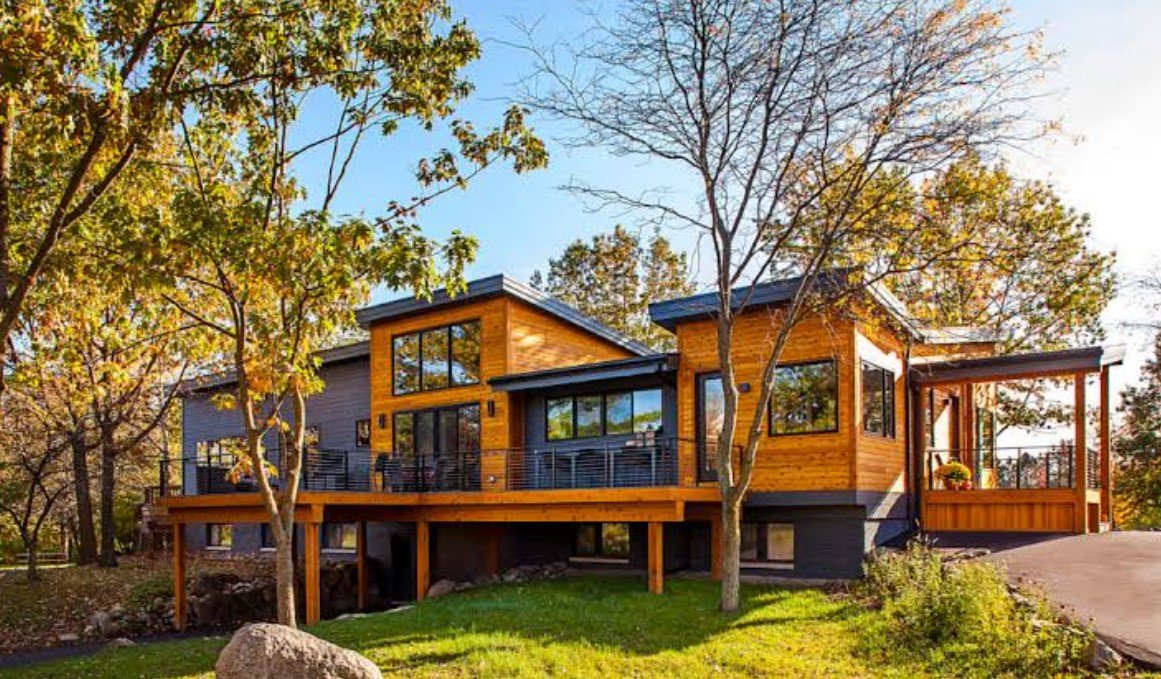

Building your first custom home is an exciting opportunity to create a space that matches your lifestyle, priorities, and personal taste. However, turning a vision into a finished house requires careful financial planning. Without a realistic budget, expenses can quickly grow beyond expectations, especially when design changes, material upgrades, permits, and unexpected construction issues appear.
That is why Custom home budgeting should begin long before construction starts. A well-planned budget helps you understand what you can afford, make smarter design decisions, and keep your project financially manageable from the first architectural drawing to the final finishing touches.
Start With Your Total Project Budget
The first step in Custom home budgeting is determining how much you can realistically spend on the entire project. Avoid focusing only on the construction cost. Your total budget may also include land, architectural services, engineering, permits, site preparation, utility connections, landscaping, appliances, and interior finishes.
Review your savings, financing options, monthly income, and other financial commitments before establishing a maximum spending limit. It is also wise to separate your comfortable budget from your absolute maximum. This gives you some flexibility if costs increase during construction.
Understand the Major Cost Categories
Breaking your budget into categories makes it easier to see where your money is going. Common expenses include:
- Land purchase and preparation
- Architectural and design fees
- Construction labor and materials
- Building permits and inspections
- Excavation and foundation work
- Plumbing, electrical, and HVAC systems
- Flooring, cabinets, countertops, and fixtures
- Appliances
- Landscaping and exterior improvements
- Professional and legal fees
- Financing and loan-related expenses
The exact percentage allocated to each category will depend on your location, home size, design complexity, and material choices. Creating categories early helps prevent one part of the project from consuming money intended for another.
Set Priorities Before Choosing Finishes
One of the biggest mistakes first-time builders make is selecting expensive finishes before deciding which features actually matter most. Instead, create a list of must-haves, nice-to-haves, and optional upgrades.
For example, you may consider a durable roof, efficient insulation, quality windows, and a functional kitchen essential. A luxury bathtub, elaborate landscaping, or premium light fixtures might be optional.
This approach makes Custom home budgeting much easier because you know where to spend more and where to save when necessary.
Include a Contingency Fund
Even an excellent construction plan cannot eliminate every unexpected expense. Soil conditions, material price changes, weather delays, design adjustments, and unforeseen site problems can increase costs.
A contingency fund provides protection against these surprises. Many homeowners choose to reserve roughly 10% to 15% of the construction budget, although the appropriate amount depends on the project’s complexity and risk.
Treat this money as a reserve rather than available spending money. If you finish the project without using it, you can decide later whether to apply it toward upgrades, landscaping, debt reduction, or savings.
Get Detailed Estimates From Professionals
Online construction calculators can provide general ideas, but they should not replace professional estimates. Speak with architects, builders, contractors, engineers, and other specialists involved in your project.
Request detailed estimates that explain labor, materials, allowances, and potential additional charges. Comparing multiple proposals can help you identify unrealistic estimates and understand the actual market costs in your area.
Make sure you also ask what is excluded from each quote. A low construction estimate may look attractive until you discover that site preparation, appliances, landscaping, or certain finishes are not included.
Be Careful With Design Changes
Design changes are one of the easiest ways for a custom-home budget to increase. A small adjustment may affect several other parts of the project. Moving a wall, changing window sizes, adding electrical outlets, or upgrading plumbing fixtures can create additional labor and material costs.
Try to finalize important design decisions before construction begins. If a change becomes necessary later, ask your builder for a written cost and schedule impact before approving it.
Keeping a record of approved changes also makes it easier to track your actual spending.
Balance Quality and Cost
Saving money does not always mean choosing the cheapest option. Some inexpensive materials may require more maintenance or replacement sooner, while a slightly higher initial investment can provide better durability.
Consider the long-term value of major decisions. Energy-efficient windows, quality insulation, efficient heating and cooling systems, and durable exterior materials may cost more initially but can potentially reduce operating and maintenance expenses over time.
The goal of Custom home budgeting is not simply to spend less. It is to spend intentionally.
Track Your Budget Throughout Construction
Creating a budget is only the beginning. You should monitor it throughout the entire building process.
Keep records of invoices, deposits, change orders, allowances, and payments. Compare actual expenses with your original estimates regularly. If one category goes over budget, identify where you can adjust before the problem becomes larger.
A simple spreadsheet can be enough for many homeowners. You can create columns for the estimated cost, actual cost, amount paid, remaining balance, and notes about changes.
Regular monitoring gives you an opportunity to make informed decisions rather than discovering a major budget problem near the end of construction.
Plan for Costs After Construction
Your financial planning should not stop when the builder hands over the keys. A new home may require furniture, window treatments, appliances, landscaping, maintenance equipment, and other purchases.
You should also consider property taxes, insurance, utilities, routine maintenance, and potential repairs. Keeping some cash available after moving in can prevent your entire savings account from being consumed by the construction project.
Final Thoughts
Successful Custom home budgeting requires more than estimating the price of bricks, labor, and finishes. It means understanding the complete financial picture, establishing priorities, preparing for unexpected costs, and tracking spending throughout construction.
For first-time home builders, the best budget is one that combines realistic estimates with financial flexibility. By planning carefully before construction begins and making thoughtful decisions throughout the project, you can build a home that reflects your goals without allowing costs to spiral out of control.
