
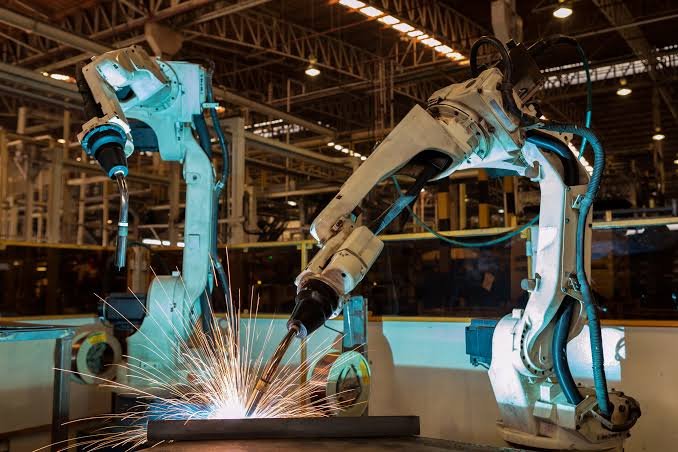

Selecting physical vapor deposition equipment for manufacturing requires balancing process performance, operational flexibility, and long-term production requirements. A system that performs well during laboratory testing may need additional capabilities before it can support a consistent manufacturing workflow.
Engineers and purchasing teams should therefore evaluate equipment based on both immediate deposition requirements and the possibility of future production development.
Define Production Requirements First
Before comparing equipment suppliers, manufacturers should establish what the system needs to accomplish.
Important questions include the types of materials being deposited, substrate dimensions, expected production volume, required film characteristics, and acceptable process cycle times.
The number of substrates processed per run can also influence chamber size and substrate holder design.
Clearly defined requirements make it easier to compare equipment proposals and identify configurations that are appropriate for the intended manufacturing process.
Select the Appropriate Deposition Technology
Magnetron sputtering and evaporation are common PVD approaches, but they have different operating characteristics.
Magnetron sputtering transfers material from a target through plasma-assisted physical bombardment. It can support a wide range of conductive and insulating material processes when the appropriate power configuration is selected.
Thermal and electron beam evaporation use different heating mechanisms to generate vapor from source materials. The choice depends on material properties, source compatibility, and the required film characteristics.
Manufacturers should compare these techniques through application-specific testing whenever possible.
Consider Throughput and Substrate Handling
Production equipment must accommodate the required number and size of substrates without creating unnecessary handling difficulties.
Substrate fixtures, loading arrangements, rotation mechanisms, and heating options can influence processing capacity and film consistency.
For larger manufacturing operations, automation may reduce manual intervention and improve process repeatability. Buyers should examine how substrates are loaded, positioned, processed, and removed.
The system should also provide sufficient access for maintenance and routine chamber cleaning.
Examine Process Controls and Monitoring
Repeatable manufacturing depends on controlling important deposition variables.
These may include chamber pressure, process gas flow, source power, substrate temperature, and deposition duration. Monitoring these parameters helps operators identify process deviations and maintain consistent operating conditions.
Automation systems can also support recipe management and reduce variations caused by manual adjustments.
However, the required level of automation should match actual production needs. A research facility may prioritize flexible process development, while a production environment may require standardized operating procedures and more integrated controls.
Review Equipment Reliability and Service Requirements
Manufacturers should examine the availability of technical support, replacement components, maintenance documentation, and service arrangements.
Consumable components such as sputtering targets, chamber shields, and evaporation source materials should be considered during operating cost calculations.
A complete purchasing evaluation should include expected maintenance activities and the resources required to keep the system operational.
Consider Custom Equipment Configurations
Not every manufacturing process fits a standard equipment package. Some applications require specialized chamber layouts, multiple deposition sources, customized substrate tooling, or integration with existing production equipment.
Semicore Equipment manufactures PVD coating systems, including magnetron sputtering and evaporation equipment, and provides custom vacuum engineering for specialized applications. Its capabilities are relevant to organizations evaluating equipment for research, process development, and manufacturing requirements.
Plan for Future Production Needs
Manufacturing requirements can change as products develop and production volumes increase. Equipment buyers should consider whether the proposed system allows additional sources, upgraded tooling, expanded substrate capacity, or improved automation.
A well-planned PVD equipment investment should support the current deposition process while providing a practical path for future development.
By evaluating deposition technology, chamber configuration, vacuum performance, substrate handling, controls, maintenance, and scalability together, manufacturers can make more informed decisions when selecting thin film production equipment.
