
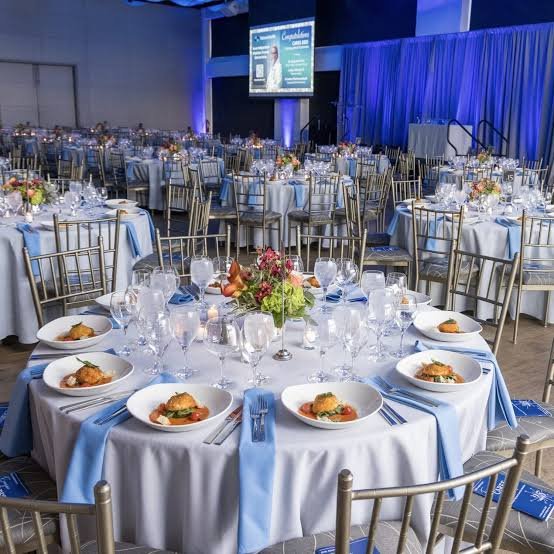

Events bring people together to celebrate milestones, share experiences, and create lasting memories. Whether it is a corporate conference, wedding, birthday party, charity fundraiser, trade show, or community festival, a well-planned event can leave a positive impression on every attendee. Successful events require careful organization, clear communication, and attention to detail. By following proven planning strategies, organizers can deliver enjoyable experiences while achieving their personal or business goals.
The first step in planning successful events is defining a clear purpose. Every event should have specific objectives, whether it is celebrating a special occasion, promoting a business, educating participants, or raising funds for a cause. Establishing these goals early helps guide decisions about the venue, budget, guest list, entertainment, and overall event schedule. A clear vision also keeps the planning process organized and focused from beginning to end. If you are looking for bartending services Greensboro call Proper Pour Events.
Choosing the right venue is one of the most important decisions when organizing events. The location should comfortably accommodate the expected number of guests while providing convenient access, parking, and essential facilities. Indoor venues offer protection from unpredictable weather, while outdoor locations provide beautiful natural settings for celebrations and festivals. Event organizers should also consider accessibility, available technology, seating arrangements, and nearby accommodations when selecting the perfect venue.
Budget management plays a critical role in successful events. Creating a detailed budget helps organizers track expenses and avoid unnecessary costs. Common event expenses include venue rental, catering, decorations, entertainment, photography, security, transportation, and marketing. Setting priorities allows organizers to allocate resources efficiently while maintaining high-quality experiences for attendees. Keeping a small contingency fund also helps manage unexpected expenses that may arise during the planning process.
Effective event promotion is essential for attracting guests and generating excitement. Digital marketing has transformed how events are advertised, making it easier to reach target audiences through social media, email campaigns, websites, and online advertising. Eye-catching graphics, engaging videos, and clear event descriptions encourage registrations and increase attendance. Early promotion gives potential guests enough time to plan their schedules and secure tickets if required.
Creating an enjoyable guest experience should remain a top priority throughout every event. Comfortable seating, quality catering, clear signage, and friendly staff contribute to a welcoming atmosphere. Entertainment options such as live music, guest speakers, interactive activities, or performances keep attendees engaged and create memorable moments. Event organizers should also consider accessibility for guests with disabilities and provide accommodations that ensure everyone can fully participate.
Technology has become an important part of modern events. Online registration systems simplify ticket sales and guest management, while mobile event apps provide schedules, maps, speaker information, and real-time updates. Virtual and hybrid events have also become increasingly popular, allowing participants to join remotely through live streaming platforms. These technological solutions expand audience reach while offering greater flexibility for attendees around the world.
Working with experienced vendors helps ensure smooth event execution. Caterers, decorators, photographers, audiovisual technicians, entertainers, and transportation providers all contribute to the overall success of an event. Choosing reliable vendors with strong reputations and reviewing contracts carefully can reduce potential problems. Maintaining regular communication with suppliers ensures everyone understands expectations, timelines, and responsibilities before the event begins.
Risk management is another important aspect of event planning. Organizers should prepare contingency plans for unexpected situations such as weather changes, equipment failures, medical emergencies, or scheduling delays. Having backup equipment, emergency contacts, and clear safety procedures helps minimize disruptions and protects both guests and staff. Event insurance may also provide valuable financial protection for larger gatherings or public events.
After the event concludes, evaluating its success provides valuable insights for future improvements. Collecting feedback from attendees, sponsors, vendors, and team members helps identify strengths and areas for growth. Reviewing attendance numbers, budget performance, and overall guest satisfaction allows organizers to refine their planning strategies for future events. Continuous improvement leads to more successful and memorable experiences over time.
Events play an important role in connecting people, building relationships, and celebrating meaningful moments. Whether organizing a small family gathering or a large corporate conference, careful planning, strong communication, and attention to detail contribute to a successful outcome. By selecting the right venue, managing the budget wisely, promoting effectively, and focusing on guest satisfaction, organizers can create events that leave lasting impressions. With proper preparation and a commitment to excellence, every event has the potential to become a memorable and rewarding experience for everyone involved.
