
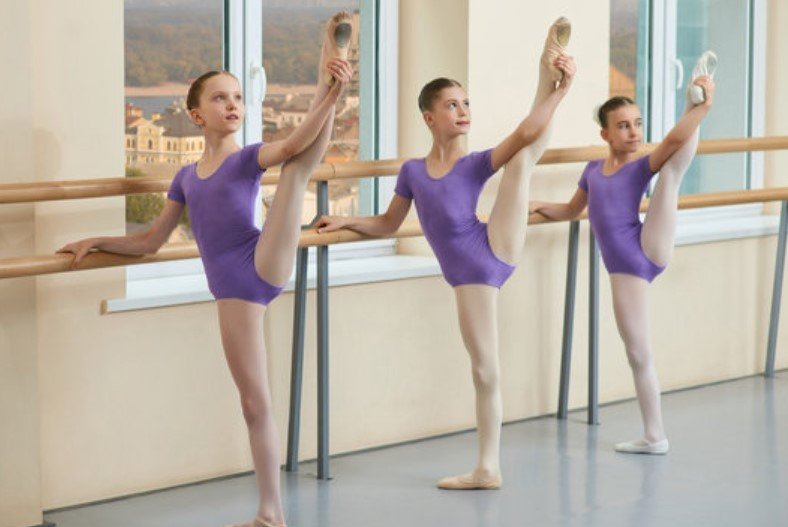

Choosing the right time for a young dancer to begin pointe work is one of the most important decisions in ballet training. Parents often feel excited when their child shows passion for ballet, but pointe shoes are not just a milestone of achievement—they require physical strength, technical readiness, and careful professional evaluation. Rushing into pointe work too early can lead to long-term injury, while waiting too long may slow a dancer’s progress.
This guide explains the key signs, expert recommendations, and safety considerations to help parents understand When Is My Child Ready for Pointe Shoes? in a clear and practical way.
Understanding Pointe Work and Why Timing Matters
Pointe work involves dancing on the tips of the toes using specially reinforced shoes. While it looks elegant and effortless on stage, it places significant stress on the feet, ankles, knees, and hips.
Because of this, ballet instructors and medical professionals agree that pointe readiness is not based on age alone. Instead, it depends on a combination of strength, technique, alignment, and maturity.
Starting too early can lead to:
- Stress fractures
- Ankle instability
- Toe deformities
- Chronic pain and injuries
Proper timing helps ensure a safer and more enjoyable dance journey.
Typical Age Range for Pointe Readiness
Most ballet schools consider dancers for pointe work between the ages of 11 and 13. However, this is only a general guideline.
Some children may be ready slightly earlier if they have strong training and physical development, while others may need more time. The deciding factor is not the calendar age but how well the dancer meets technical and physical requirements.
Key Physical Requirements
1. Strong Ankle and Foot Muscles
A dancer must be able to fully support their body weight with controlled strength. This includes:
- Holding a high releve (rising onto the balls of the feet)
- Maintaining stability without wobbling
- Controlling movement through transitions
Without strong ankles, pointe work becomes unsafe.
2. Proper Alignment
Good alignment is essential for preventing injury. Teachers look for:
- Straight knees over toes
- Hips properly aligned over feet
- A stable core while dancing
Poor alignment increases pressure on joints and bones.
3. Fully Developed Feet
While children’s bones are still growing, pointe work should only begin when the foot structure is strong enough to handle the pressure. Flexible yet controlled feet are ideal—not overly weak or overly stiff.
Technical Readiness in Ballet Training
Even strong physical ability is not enough. A dancer must also demonstrate solid ballet technique at the barre and in the center.
Essential Skills Include:
- Consistent turnout from the hips (not just the feet)
- Controlled pliés in all positions
- Strong relevés on both legs
- Balance in retiré position
- Proper use of core muscles
Teachers also look for clean posture, arm coordination, and musical awareness.
Emotional and Mental Readiness
A less obvious but equally important factor is maturity. Pointe work requires patience and discipline.
A child should be able to:
- Follow corrections carefully
- Practice safely without rushing
- Understand injury prevention rules
- Stay focused during structured training
Dancers who rush or ignore instruction are at higher risk of injury, even if physically strong.
The Role of Ballet Teachers and Exams
No child should begin pointe work without approval from a qualified ballet instructor. Many schools use formal evaluations or pointe readiness exams.
Teachers typically assess:
- Strength tests at the barre
- Alignment checks
- Technique consistency
- Flexibility and control
- Overall class performance
Only when a teacher is confident in all areas will they recommend starting pointe shoes.
Pre-Pointe Training: A Critical Step
Before wearing pointe shoes, many dancers complete a “pre-pointe” program. This stage helps prepare the body safely.
Pre-pointe training includes:
- Strengthening exercises for feet and ankles
- Resistance band workouts
- Core stability training
- Balance drills
- Technique refinement
This stage can last several months to a year depending on the dancer’s progress.
Signs Your Child May Be Ready
Parents often wonder what progress looks like. Common signs include:
- Easily holding relevé for extended time
- Strong control in jumps and landings
- No pain in feet or ankles after class
- Consistent ballet technique in center work
- Teacher mentions possible pointe evaluation
However, even if these signs appear, final approval should always come from the instructor.
Common Mistakes Parents Should Avoid
1. Comparing with Other Dancers
Every child develops differently. Just because a peer starts pointe earlier does not mean your child is behind.
2. Buying Pointe Shoes Early
Never purchase pointe shoes without teacher instruction. Incorrect timing or sizing can cause serious damage.
3. Rushing the Process
Pointe readiness is a gradual process. Patience leads to stronger and safer dancers.
Safety First: Why Professional Guidance Is Essential
Ballet schools follow structured training systems for a reason. Pointe work should always be supervised by trained professionals who understand biomechanics and development.
In some cases, teachers may delay pointe readiness even if a child is eager. This decision is based on long-term safety, not short-term progress.
Final Thoughts
Understanding When Is My Child Ready for Pointe Shoes? requires looking beyond age or excitement. True readiness is a balance of strength, technique, discipline, and professional evaluation. Every dancer develops at their own pace, and careful preparation ensures a safe transition into pointe work.
Parents who support patience and proper training help their children build a strong foundation for a lifelong, healthy relationship with dance.
