
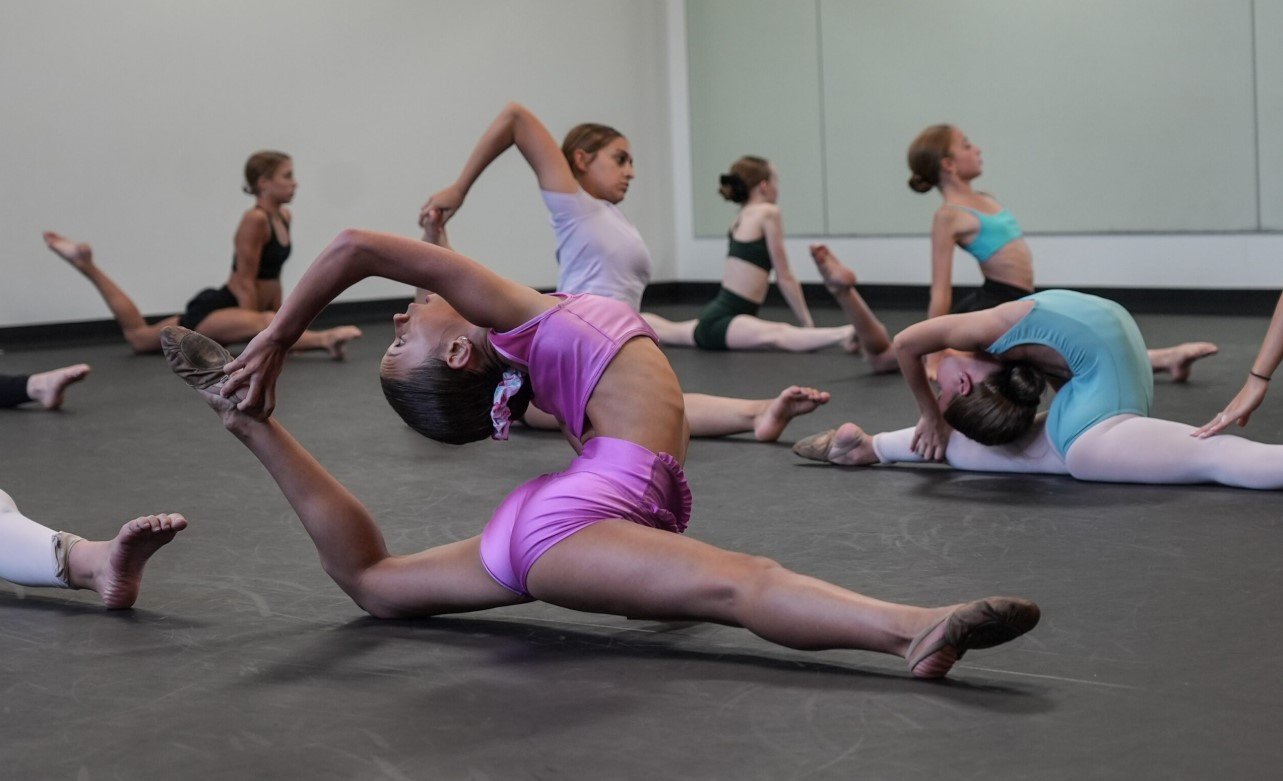

In today’s world, confidence is one of the most important skills a child can develop. Beyond academic performance or athletic participation, children who possess self-assurance are better equipped to handle challenges, communicate clearly, and build positive relationships. One powerful yet often overlooked way to nurture this confidence is through dance classes for building confidence. Dance isn’t just movement set to music — it’s a form of expression, discipline, teamwork, and performance. When children participate in well-structured dance programs, they gain far more than physical coordination. They develop self-esteem, emotional resilience, and stage presence that extend into all areas of life.
This article explores how dance builds confidence in kids, why performance experiences matter, and how parents and teachers can support this crucial developmental process.
Why Confidence Matters in Childhood Development
Confidence is more than a personality trait — it’s a functional skill that influences how children interact with the world. Confident children are more likely to:
-
Speak up in class
-
Try new activities
-
Build friendships
-
Cope with setbacks
-
Take initiative
When children lack confidence, they may experience anxiety, social withdrawal, or reluctance to participate in group activities. That’s why activities like dance — which require visibility, self-expression, and collaboration — are ideal for building a secure sense of self.
The Unique Power of Dance Classes for Building Confidence
Dance classes offer a structured environment where children can grow physically, emotionally, and socially. Here’s how:
1. Movement and Self-Expression Go Hand-in-Hand
Dance allows children to express emotions without needing perfect words. Whether through creative movement or choreographed routines, students learn that their body can communicate ideas and feelings. This freedom of expression fosters confidence because children see that their unique presence matters.
2. Learning New Skills Boosts Self-Belief
Mastering a new dance step, keeping rhythm with a group, or remembering choreography reinforces a child’s belief in their ability to learn and improve. Every small success becomes a confidence-building milestone.
3. Collaboration Builds Social Confidence
Dance classes are inherently social. Students learn to work together, support one another, and celebrate collective achievements. This teamwork teaches empathy, respect, and confidence in group settings — skills that transfer directly to school and community environments.
Stage Presence: From Practice Room to Performance Spotlights
One of the most impactful aspects of dance education is performance. Taking part in recitals or showcases gives children the opportunity to present skills in front of an audience — an experience that strengthens confidence like nothing else.
Performance teaches kids to:
-
Manage nerves and stage fright
-
Focus under pressure
-
Maintain posture and eye contact
-
Celebrate achievement
Many parents have observed dramatic changes in their children after performing — from improved communication skills to increased willingness to take on leadership roles.
How Dance Classes Support Emotional Development
Dance is not only physical — it’s emotional. Children learn to:
-
Identify feelings
-
Channel emotions through movement
-
Trust their instincts
-
Recover from mistakes
This emotional literacy is vital. When children feel safe expressing themselves through movement, they develop resilience. They learn that mistakes are part of growth, not reasons to give up.
Dance Helps Overcome Fear of Judgement
One of the biggest barriers to confidence is fear — particularly fear of being judged. Dance exposes kids to positive, supportive environments where mistakes are encouraged as learning opportunities. Over time, repeated practice and encouragement help children accept imperfection as part of the learning process.
This shift — from reluctance to willingness — is a core outcome of dance classes for building confidence.
The Role of Teachers and Mentors
Great dance instruction does more than teach steps — it inspires and uplifts. Skilled teachers provide:
-
Positive reinforcement
-
Individualized feedback
-
Safe emotional space
-
Encouragement to take risks
When instructors prioritize confidence and personal growth over perfection, kids feel empowered to explore, create, and shine.
Parental Support and Reinforcement
Parents also play a crucial role. When parents:
-
Celebrate effort over results
-
Attend performances
-
Practice routines at home
-
Encourage persistence
children internalize that their growth matters — on and off the dance floor.
Dance Confidence Extends Beyond the Studio
The skills developed in dance contribute to success across life domains. For example:
-
Academic settings: children raise their hands more often and participate actively
-
Social interactions: communication becomes more assertive and positive
-
Problem-solving: kids become more creative and flexible in their thinking
-
Athletic contexts: confidence improves performance and teamwork
Dance becomes a foundation for lifelong confidence.
Real Stories, Real Impact
Parents often report profound changes after consistent dance involvement. Some common examples include:
-
Shy children becoming outgoing
-
Children speaking confidently in school presentations
-
Students overcoming performance anxiety
-
Increased self-discipline and responsibility
These outcomes are not anecdotal — they are reflections of how movement, practice, and performance grow inner confidence.
Choosing the Right Dance Program for Confidence Building
Not all programs are created equal. When choosing a dance class to support confidence, look for:
-
Encouraging instructors
-
Performance opportunities
-
Class sizes that allow personal feedback
-
Balanced focus on expression and technique
-
A positive community culture
When these elements are present, dance becomes more than exercise — it becomes a confidence-building identity.
Conclusion: Dance as a Pathway to Confidence, Empowerment, and Presence
Dance classes for building confidence offer children a remarkable opportunity to grow in ways that extend far beyond movement. Through structured instruction, expressive freedom, and performance experiences, children learn to believe in themselves, manage challenges, and communicate with assurance.
From improved self-esteem to enhanced stage presence, the benefits ripple through every aspect of a young person’s life. As parents, educators, and community members increasingly recognize the value of dance, more children will have the chance to step confidently into their futures.
