
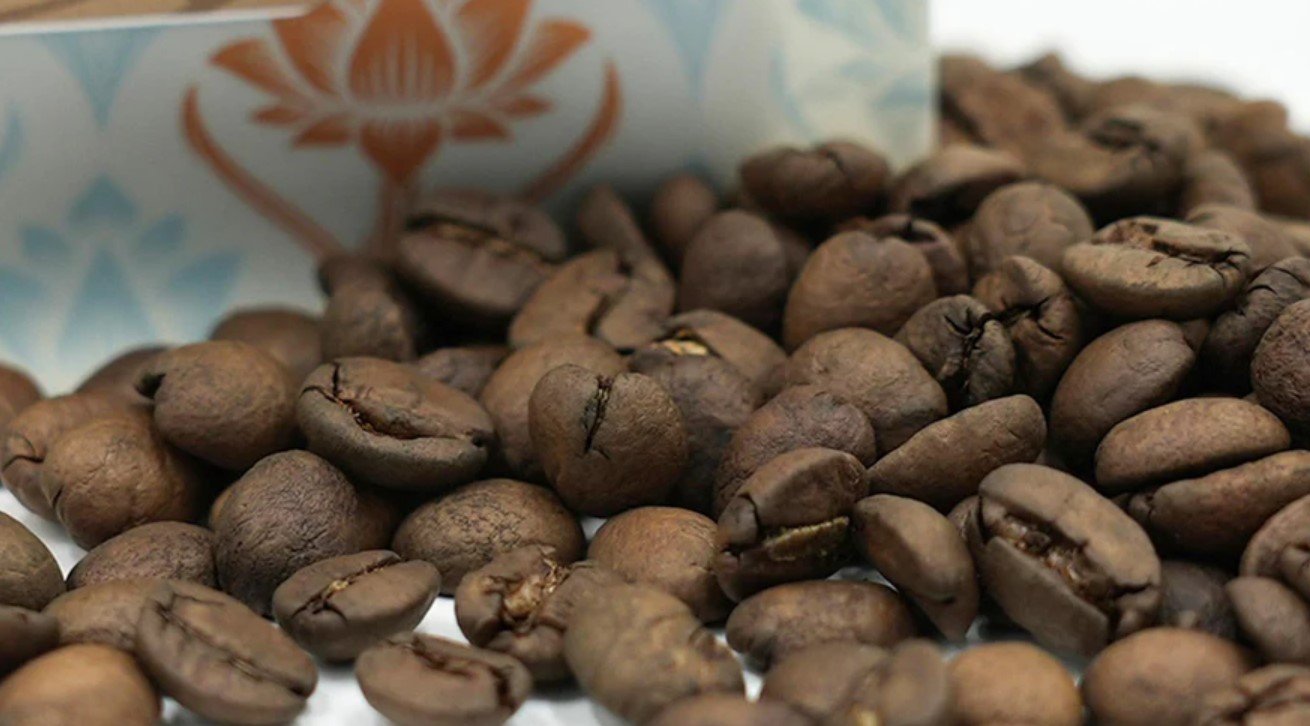

Coffee is more than just a morning ritual—it’s an experience, a craft, and for many, a passion. From the aroma that fills the kitchen to the first sip of a freshly brewed cup, the taste of coffee is influenced by numerous factors. One of the most important yet often overlooked elements is the roast level. Understanding what defines a coffee roast level? can dramatically change how you perceive and enjoy your coffee. This article will explore the different roast levels, their flavor profiles, and provide practical tips to help you select the roast that suits your taste best.
Understanding Coffee Roast Levels
Before diving into taste preferences, it’s essential to understand the fundamentals of roasting. Coffee beans start as green seeds, which are roasted to bring out their flavor, aroma, and color. Roasting is both a science and an art—it involves carefully controlling temperature and time to achieve the desired outcome.
So, what defines a coffee roast level? Simply put, a coffee roast level is determined by how long and at what temperature the beans are roasted. The longer and hotter the roasting process, the darker the beans become. Each level of roasting brings out distinct characteristics, influencing acidity, body, aroma, and flavor.
The Spectrum of Coffee Roast Levels
1. Light Roast
Light roast coffee, sometimes referred to as “cinnamon roast” or “half city roast,” is roasted for the shortest period. The beans retain much of their original green color, and the flavors are often bright and acidic.
-
Color: Light brown
-
Flavor Profile: Fruity, floral, bright, with pronounced acidity
-
Caffeine Content: Slightly higher than darker roasts due to minimal roasting
-
Best For: Pour-over, Aeropress, or other methods highlighting delicate flavors
Light roasts are perfect for those who enjoy subtle, complex flavors that reflect the bean’s origin. If you prefer a tangy or fruity coffee, a light roast is often the best choice.
2. Medium Roast
Medium roasts, also called “city roast” or “American roast,” strike a balance between acidity and body. The beans are darker than light roasts but not oily, offering a well-rounded flavor.
-
Color: Medium brown
-
Flavor Profile: Balanced, slightly sweet, hints of chocolate or caramel
-
Caffeine Content: Moderate
-
Best For: Drip coffee makers, French press
Medium roast is often considered the most versatile roast. It brings out the natural flavors of the beans while allowing a smoother, more approachable taste. For those unsure of their flavor preference, medium roast provides a safe yet enjoyable option.
3. Medium-Dark Roast
Medium-dark roasts, sometimes labeled “full city roast,” are roasted longer, resulting in darker beans with a slight oil sheen. The flavors are richer, with reduced acidity and more pronounced caramelization.
-
Color: Rich, dark brown with slight oil on the surface
-
Flavor Profile: Full-bodied, bittersweet chocolate, deeper caramel notes
-
Caffeine Content: Slightly lower than lighter roasts
-
Best For: Espresso, moka pots, and stronger brewed coffee
This roast is ideal for those who enjoy bold flavors without crossing into the intense bitterness of dark roasts. The medium-dark roast highlights roasting flavors while preserving some of the bean’s original characteristics.
4. Dark Roast
Dark roasts, often called “French roast” or “Italian roast,” are roasted to near-black, with an oily surface. These beans develop smoky, bittersweet flavors, while much of the original bean character is overshadowed by the roast itself.
-
Color: Very dark brown to almost black
-
Flavor Profile: Smoky, bitter, chocolatey, roasted
-
Caffeine Content: Slightly lower due to longer roasting
-
Best For: Espresso, strong coffee drinks, or those who prefer robust flavors
Dark roast coffee appeals to those who enjoy intensity and boldness in their cup. The deep roasting process produces a heavier body and a lingering aftertaste that is distinctively robust.
How Roasting Affects Flavor
Understanding what defines a coffee roast level? also means understanding how roasting changes the chemical composition of the beans. During roasting, the heat transforms sugars, proteins, and other compounds, creating the flavors we associate with coffee.
-
Acidity: Light roasts retain higher acidity, giving a crisp and tangy taste.
-
Body: Darker roasts have fuller, heavier body with a pronounced mouthfeel.
-
Sweetness: Medium roasts often develop natural sweetness and caramel notes.
-
Bitterness: Dark roasts have stronger bitterness due to extended caramelization and chemical breakdown.
By grasping these effects, you can choose a roast level that aligns with your taste preferences.
Tips for Choosing the Right Roast
Selecting the perfect roast involves more than just knowing the levels—it’s about understanding your flavor preferences and brewing methods.
1. Identify Your Flavor Preferences
-
Prefer bright, fruity notes? Try a light roast.
-
Enjoy a balance of sweet and smooth flavors? Opt for medium roast.
-
Like deep, rich coffee with a hint of chocolate? Medium-dark roast is ideal.
-
Love bold, smoky, and intense flavors? Dark roast is the way to go.
2. Consider Your Brewing Method
-
Light roasts shine with manual brewing methods like pour-over or Chemex.
-
Medium roasts are versatile, suitable for drip coffee makers or French press.
-
Medium-dark and dark roasts perform well in espresso machines, moka pots, or cold brew for a stronger profile.
3. Freshness Matters
Coffee flavor diminishes over time, especially for lighter roasts. Always choose freshly roasted beans and grind just before brewing to capture the full spectrum of flavor.
4. Experiment and Take Notes
The beauty of coffee is experimentation. Try different roast levels and take notes on the flavors you enjoy most. Over time, this helps you refine your palate and confidently select a roast that satisfies your taste.
5. Balance With Milk and Sugar
If you like adding milk, cream, or sugar, medium to dark roasts pair well as they hold up to added flavors. Light roasts, being delicate, can lose their character when mixed with additives.
Conclusion
Knowing what defines a coffee roast level? empowers you to make informed choices about your coffee. Whether you prefer the bright acidity of a light roast, the balanced sweetness of a medium roast, or the bold intensity of a dark roast, understanding the nuances of each level transforms your coffee experience.
By experimenting with different roasts, considering your brewing methods, and paying attention to freshness, you can select the perfect roast for your taste. Coffee is a personal journey, and discovering your ideal roast level is one of the most rewarding aspects of this timeless beverage.
So next time you pick up a bag of beans, remember: the roast level isn’t just a label—it’s a guide to unlocking the flavors that will delight your senses.
