

Introduction
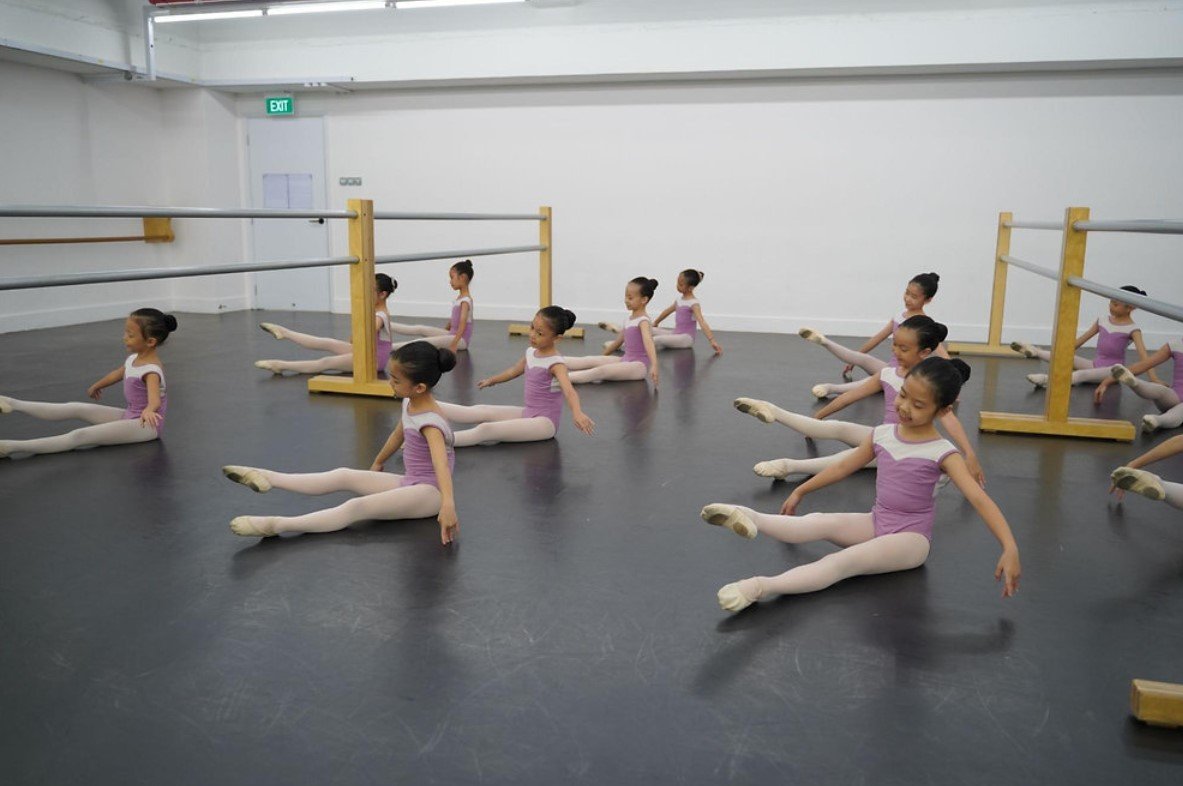
Children stepping into the world of dance experience excitement, discipline, and creativity all at once. From ballet to hip-hop, dance offers physical fitness and emotional expression. However, with increasing practice hours and performance pressure, the risk of injuries also grows. That’s why focusing on Dance Injury Prevention for Kids is essential for parents, instructors, and young dancers alike. By building safe habits early, children can enjoy dance while minimizing risks and maintaining long-term health.
Understanding Common Dance Injuries in Kids
Before diving into prevention, it’s important to understand the types of injuries young dancers often face. These may include:
- Muscle strains and sprains
- Overuse injuries like tendonitis
- Stress fractures
- Joint pain, especially in knees and ankles
Children’s bodies are still developing, which makes them more vulnerable to repetitive stress. Proper awareness is the first step toward effective Dance Injury Prevention for Kids.
Importance of Proper Warm-Up and Cool-Down
Why Warm-Ups Matter
A proper warm-up prepares muscles, joints, and the cardiovascular system for physical activity. Skipping this step can increase the risk of sudden injury.
Effective warm-ups should include:
- Light cardio (jumping jacks, jogging)
- Dynamic stretching (leg swings, arm circles)
- Gradual increase in intensity
Don’t Skip Cool-Downs
Cooling down helps muscles recover and reduces stiffness. Gentle stretching and breathing exercises can prevent soreness and improve flexibility over time.
Making warm-up and cool-down routines a habit is a key pillar of Dance Injury Prevention for Kids.
Teaching Proper Technique Early
Poor technique is one of the leading causes of injuries in young dancers. Children should learn correct posture, alignment, and movement patterns from the beginning.
Focus Areas:
- Keeping knees aligned with toes
- Avoiding overextension
- Maintaining core strength
Qualified instructors play a crucial role here. They can correct mistakes early before they become harmful habits. Consistent guidance ensures safer training and supports effective Dance Injury Prevention for Kids.
Ensuring Age-Appropriate Training
Not all dance moves are suitable for every age group. Young dancers should not be pushed into advanced techniques too early.
Key Considerations:
- Limit repetitive high-impact movements
- Avoid excessive stretching beyond natural limits
- Gradually increase training intensity
Age-appropriate training allows the body to develop naturally while reducing strain. This approach significantly contributes to Dance Injury Prevention for Kids.
Importance of Rest and Recovery
Children often feel motivated to practice daily, but rest is just as important as training.
Why Rest Matters:
- Prevents overuse injuries
- Allows muscles to repair and grow
- Reduces fatigue and burnout
Experts recommend at least one or two rest days per week. Adequate sleep is also essential for recovery. Balanced schedules are critical for effective Dance Injury Prevention for Kids.
Wearing Proper Dance Gear
The right clothing and footwear can make a big difference in preventing injuries.
Essentials:
- Supportive dance shoes specific to the style
- Comfortable, breathable clothing
- Proper flooring (non-slippery, shock-absorbing)
Dancing on hard or uneven surfaces increases injury risk. Investing in proper gear ensures safety and enhances performance, supporting overall Dance Injury Prevention for Kids.
Building Strength and Flexibility
Strong muscles and flexible joints help protect the body during dance movements.
Strength Training:
- Core exercises (planks, bridges)
- Leg strengthening (squats, lunges)
Flexibility Training:
- Gentle stretching routines
- Yoga or mobility exercises
It’s important not to force flexibility, especially in children. A balanced approach improves performance while supporting Dance Injury Prevention for Kids.
Hydration and Nutrition
Proper nutrition fuels the body and aids recovery. Dehydration and poor diet can increase the risk of fatigue and injury.
Healthy Habits:
- Drink water before, during, and after practice
- Eat balanced meals with protein, carbs, and healthy fats
- Include fruits and vegetables for vitamins
Parents should ensure children maintain healthy eating habits to support their dance training and overall well-being.
Encouraging Open Communication
Children may hesitate to speak up about pain or discomfort. Encouraging open communication is essential.
What to Teach Kids:
- Report pain early
- Understand the difference between soreness and injury
- Never ignore persistent discomfort
Parents and instructors should create a supportive environment where kids feel safe discussing their physical condition. Early intervention is crucial for Dance Injury Prevention for Kids.
Regular Health Check-Ups
Routine medical check-ups can help identify potential issues before they become serious.
Consider:
- Pediatric evaluations
- Physical therapy assessments
- Posture and alignment checks
Professional guidance ensures that young dancers stay on a safe and healthy path.
Role of Parents and Instructors
Both parents and instructors share responsibility in ensuring a child’s safety.
Parents Should:
- Monitor training schedules
- Provide proper nutrition
- Encourage rest
Instructors Should:
- Teach correct techniques
- Avoid overtraining
- Watch for signs of fatigue or injury
Collaboration between both parties strengthens the foundation of Dance Injury Prevention for Kids.
Creating a Positive Dance Environment
A healthy mindset is just as important as physical safety. Pressure to perform can lead to overtraining and injuries.
Promote:
- Enjoyment over perfection
- Realistic expectations
- Confidence and self-awareness
When kids feel supported rather than pressured, they are more likely to listen to their bodies and avoid pushing beyond safe limits.
Conclusion
Dance is a beautiful and enriching activity for children, offering both physical and emotional benefits. However, without proper care, it can also lead to injuries that may affect long-term health. By focusing on essential strategies like proper technique, rest, nutrition, and open communication, parents and instructors can ensure safe training environments.
Prioritizing Dance Injury Prevention for Kids not only protects young dancers but also helps them build a lifelong love for movement. With the right balance of discipline and care, children can thrive in their dance journey—strong, confident, and injury-free.
